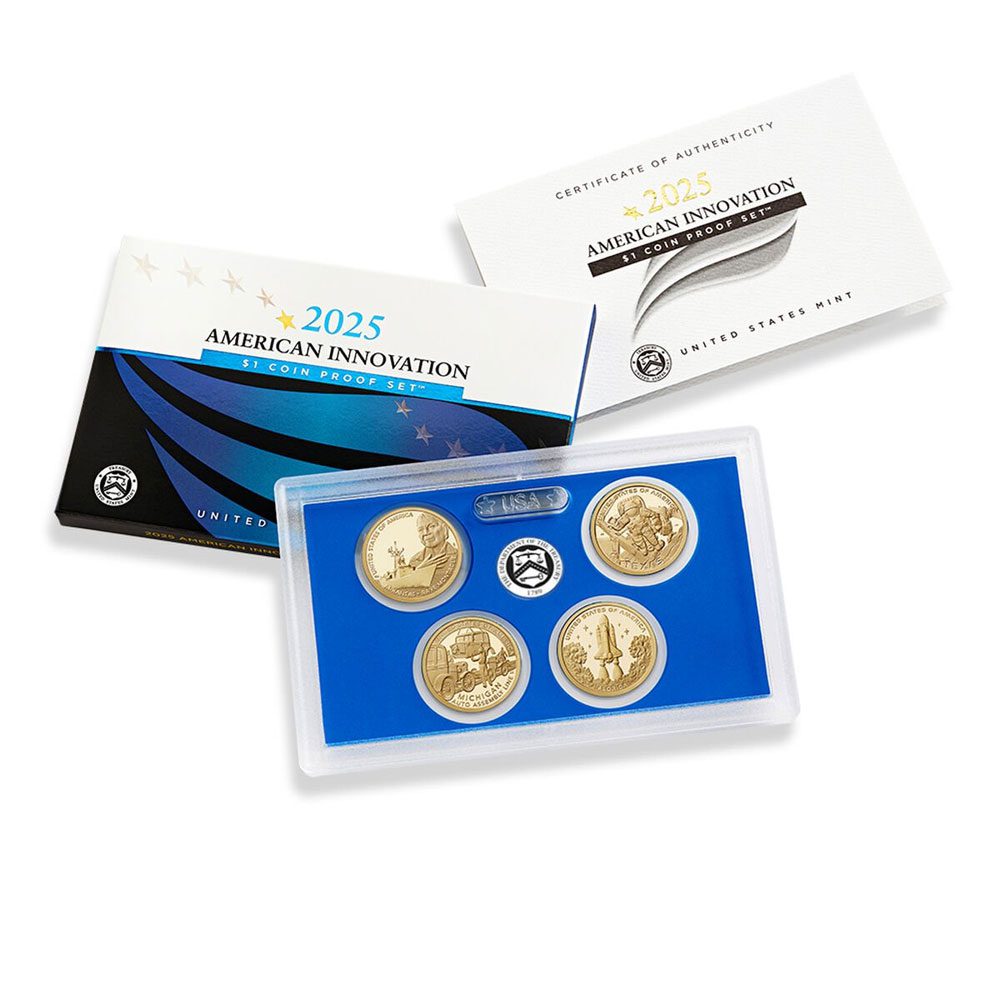
Frederick McKinley Jones and Mobile Refrigeration Honored with 2026 Minnesota American Innovation Dollar Coin
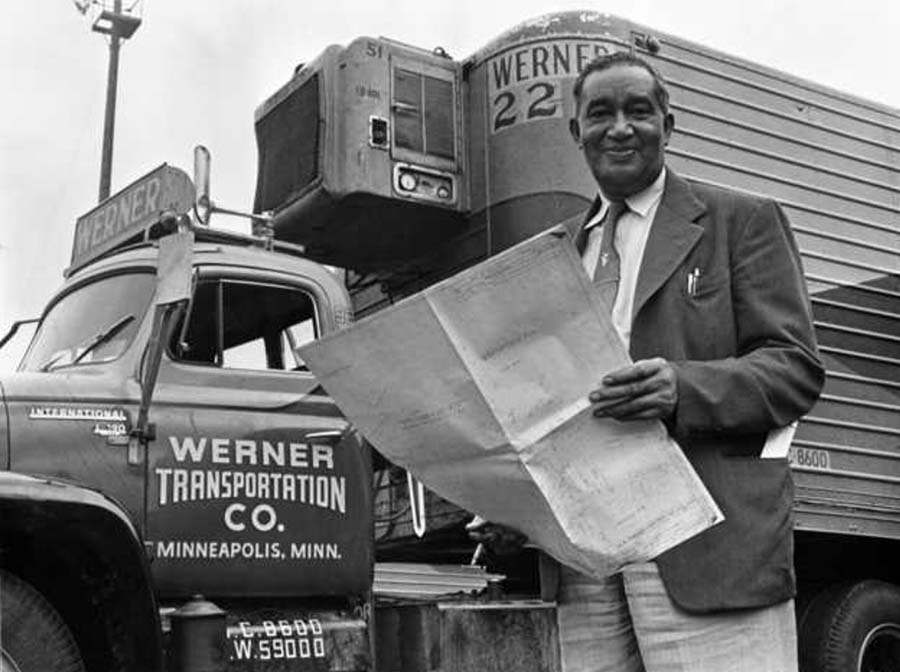
Frederick McKinley Jones (1893–1961) was an American inventor, engineer, and entrepreneur whose innovations transformed the transportation of perishable goods and helped create the modern cold-chain logistics industry. Best known for developing practical mobile refrigeration technology for trucks and trailers, Jones revolutionized the movement of food, medicine, and other temperature-sensitive products across long distances. His inventions laid the foundation for today’s global refrigerated transportation networks and earned him recognition as one of the most influential inventors of the twentieth century.
Jones’s breakthrough work emerged during t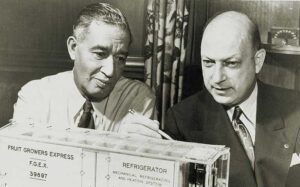 he 1930s after he partnered with Minnesota businessman Joseph Numero. Together they founded U.S. Thermo Control in Minneapolis, a company that would later become Thermo King. In 1939, Jones patented one of the first practical transport refrigeration systems, and his improved front-mounted refrigeration unit, introduced in 1941, provided reliable temperature control for trucks transporting perishable cargo. This innovation dramatically expanded the distance and efficiency with which fresh products could be shipped.
By combining mechanical ingenuity with practical field-tested engineering, Jones solved one of the most significant challenges in modern commerce: maintaining consistent temperatures during transport. His refrigeration systems enabled producers, distributors, and retailers to move fresh foods safely over greate
r distances while reducing spoilage and waste. These advances helped establish the nationwide distribution networks that would eventually support modern supermarkets, frozen foods, and year-round consumer access to fresh agricultural products.
Refrigeration Innovation That Changed the World
The impact of Jones’s work became especially important during World War II. Refrigerated transport units based on his designs were used to deliver food, blood plasma, medicines, and other critical supplies to military personnel and civilian populations. The technology also supported field hospitals and other wartime operations, demonstrating the broad value of reliable temperature-controlled transportation.
Following the war, refrigerated trucking expanded rapidly throughout the agricultural and commercial sectors. Farmers gained access to distant markets, consumers enjoyed greater availability of fresh foods, and businesses could distribute products on an unprecedented scale. Jones’s innovations helped make international trade in perishable goods practical and efficient, contributing to the development of the modern global supply chain.
Jones’s achievements extended beyond refrigeration. Throughout his career, he earned more than 60 patents covering a wide range of technologies, including radio equipment, sound systems for motion pictures, portable X-ray devices, and other mechanical and electronic innovations. His work reflected a lifelong commitment to practical problem-solving and technological progress.
Jones received numerous honors for his contributions to science and industry. In 1944, he became the first African American elected to the American Society of Refrigeration Engineers. He was later inducted into the Minnesota Inventors Hall of Fame, and in 1991 he was posthumously awarded the National Medal of Technology, one of the United States’ highest honors for innovation.
Today, Jones’s legacy remains visible in every refrigerated truck, trailer, and temperature-controlled supply chain that delivers food, pharmaceuticals, vaccines, and other essential products. His pioneering work not only transformed transportation but also improved public health, expanded economic opportunity, and connected producers and consumers across the globe.
Now Jones is being honored in the American Innovation Dollar series for in innovations.
The Future of Cold-Chain Innovation
As global populations grow and demand for fresh food, medicines, and biologic products increases, the importance of reliable temperature-controlled transportation continues to expand. Modern cold-chain logistics—supported by advanced refrigeration systems, digital monitoring, and sustainable technologies—can trace its origins directly to Jones’s pioneering inventions. His work demonstrates how a single innovation can reshape industries, improve lives, and create lasting benefits for generations to come.